DCN Home Life
Backyard Chickens
Simple Setups That Work Day-to-Day. Backyard chickens are easier than most people expect—but a few smart setup decisions can make daily care much easier.
Most chicken-keeping headaches start with a weak point in the setup. Secure the coop, simplify feeding and watering, control moisture, and make cleanup easy from the beginning—and you'll spend a lot less time fixing problems later.
David has raised backyard chickens for over 14 years and previously ran Chick Chalet (est. 2014), a backyard chicken rental service. These picks reflect what actually works day-to-day—not just what looks good online.
Disclosure: Some links on this page are affiliate links. If you choose to purchase through them, we may earn a commission at no additional cost to you. We only recommend products and services we believe are useful for the homes we care for.
IMPORTANT FIRST STEP - Contact your local town Board of Health and ask about local zoning definitions for agriculture and specific rules on keeping backyard chickens. If you live in an association (HOA) also review their guidelines prior to investing in a coop and birds.
Now that you’ve confirmed with your town and HOA you can have backyard chickens, it’s time to plan your chickens new home. Most coops come as complete setups, so the biggest decision isn't the individual parts—it's choosing the right size and structure for your flock, your space, and the way you want to maintain it. When selecting your coop, prioritize a size that gives each hen about 3-4 square feet of indoor space. Sturdy real-wood construction is important as is hardware cloth instead of weak chicken wire. Good ventilation is key in keeping the birds free of respiratory issues. Always invest in secure predator-proof latches.
Start With the Right Coop
David’s Picks
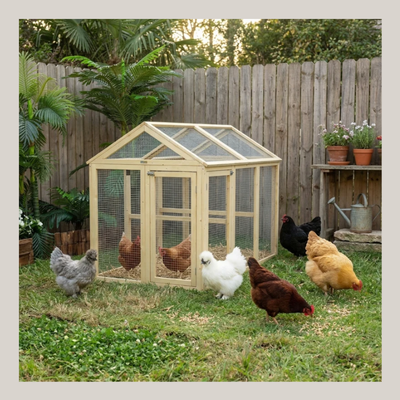
Wooden Chicken Run, Combinable Design with Perches, 4.6' x 2.8',
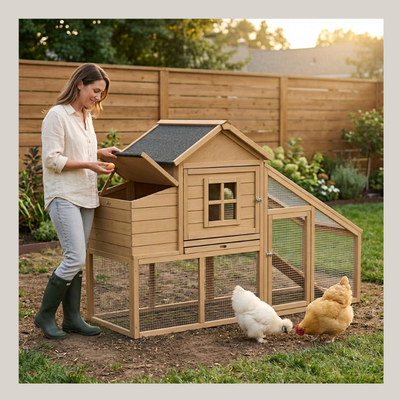
69" Wooden Chicken Coop, Poultry Cage Hen House with Connecting Ramp, Tray, Ventilated Window and Nesting Box. 2-4 hens.
David’s Tip:
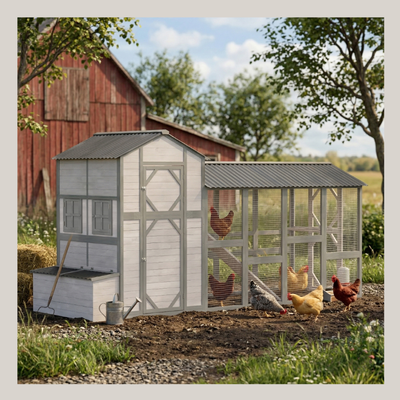
CONVERTED SHED/ CUSTOM SETUP is most flexible, built to your space. Works well if you already have a structure and want a more permanent setup. If you’re converting an existing shed, you can add nesting boxes and roosting bars as needed—no need to start from scratch.
Wooden Hen House for 8-10 Hens, Outdoor Chicken House Poultry Hutch with Run,

If feeding and watering are easy, everything else falls into place. A simple setup keeps things clean, consistent, and manageable—even when you’re not home.
Place your waterer and food container off the ground. Setting on a brick or blocks or hanging them at the level of the chickens’ backs helps deter scratching and spilling. Position the units away from roosts (sleeping area) so no droppings contaminate feed or water. Keep food inside the coop which will help block wild birds and mice during the day. If you have an automatic door leading to a run, make sure water is both inside the coop and outside in the run as the birds always need fresh water.
There is a variety of watering gear available. Check local feed stores or online. Look for ‘spill proof’ in both feeders and waterers. No-waste treadle feeders or nipple waterers reduce mess and keep things sanitary. There is no need to put in additives to the water source, ie: no vitamins or medication as they cause algae and slime buildup. Use a separate small dish for supplements. Store extra feed in sealed metal containers to keep rodents away. Keep an eye out that your stored food doesn’t become moldy as that can make the hens sick.
You can definitely keep a ‘chicken bowl’ in your kitchen for scraps as they love the extra healthy food. What goes in is recycled into delicious, healthy eggs! There are some items to AVOID giving to your birds. Chickens should never eat moldy food, raw beans, green potatoes, chocolate, or avocado pits and skins, as these contain specific toxins that can be deadly to birds.
Food + Water (Make this Effortless)
Foods to Avoid:
• Moldy or spoiled foods: spoiled food can contain harmful molds or bacteria.
• Raw or uncooked dry beans: avoid feeding uncooked beans to chickens.
• Green potatoes and green potato skins: avoid them because they can contain higher levels of solanine.
• Avocado pits and skins: avoid these parts.
• Chocolate, coffee and tea: avoid foods and beverages containing caffeine or theobromine.
• Apple seeds and fruit pits: don't intentionally feed these to chickens.
• Onions and garlic: They can give your fresh eggs an unpleasant flavor.
• High-salt or greasy foods: Leftover fast food, chips, and processed meats can cause severe dehydration and kidney damage.
• Nightshade leaves: While ripe tomatoes and eggplants are safe, the green leaves and stems of these plants are toxic.
• Citrus fruits: Large amounts of orange or lemon peels can disrupt digestion and lower egg production.
David’s Tip:
Water is vital. A rain barrel near the coop can make keeping your waterer filled much easier. Depending on your setup, you can connect a barrel to automatic drinker cups or chicken nipples using PVC pipe.
If you build your own system, be sure to include appropriate filtration and keep the water system clean.
David’s Picks
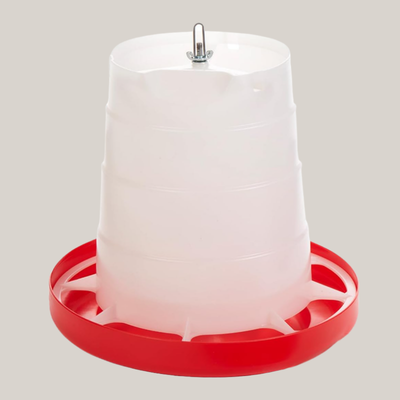
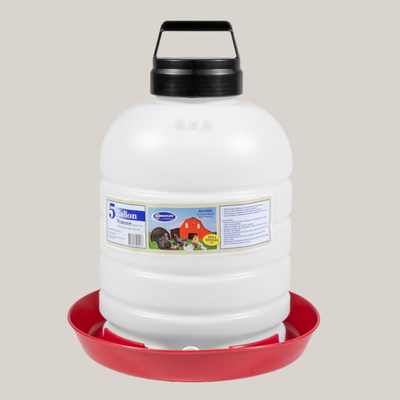
Keeps feed clean and reduces waste. This is your everyday workhorse. Hanging creates less mess and less contamination.
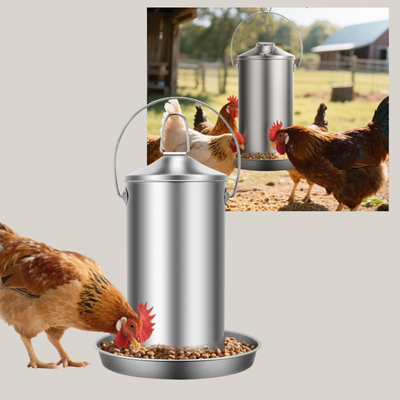
Simple waterer constructed with high density polyethylene allowing you to see the water level and cleanliness of water. Wide mouth easy for filling and cleaning. Durable handle.
Rust-Proof No Waste Poultry Feeder. Can handle long term exposure to rain, sun, and humidity.
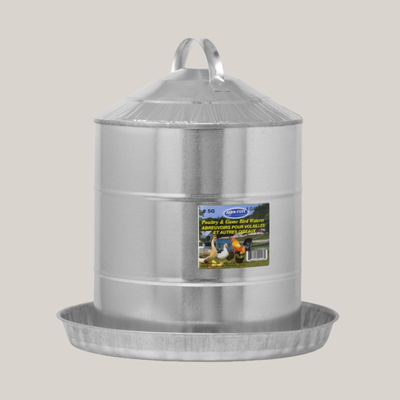
Double-Wall Poultry Fountain with Cone Top - provides a steady, gravity-fed water source for chickens.
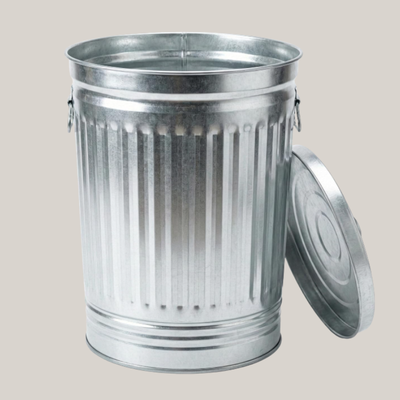
Chicken feed is usually in a 50 lb bag. You’ll want about a 30-50 lb galvanized steel bin with a lid that has a tight seal for food storage.
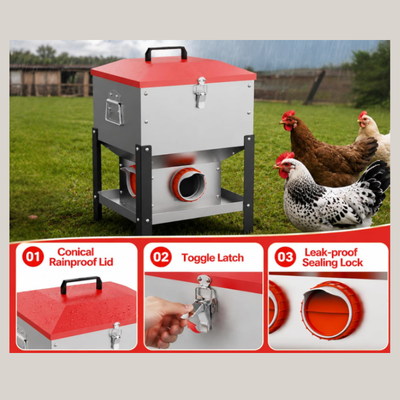
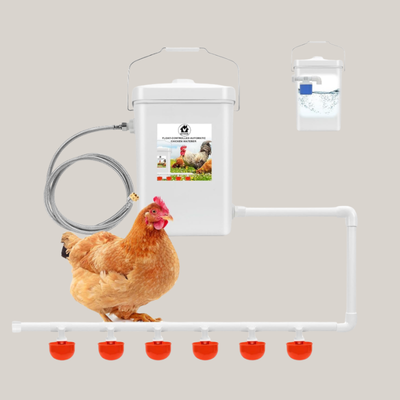
Provides a longer feed supply. Cuts down frequent refilling. Great for busy poultry keepers.
Automatic waterer. Uses a float to control the water level. Easy to set up, easy to clean.
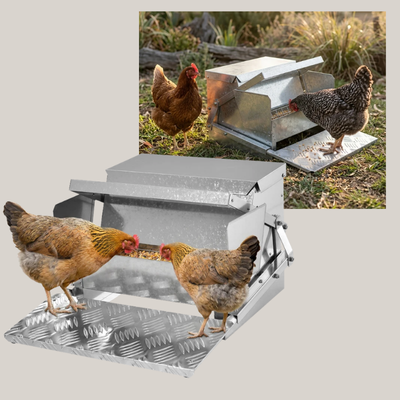
25 lbs Capacity Automatic Chicken Poultry Feeder with a Galvanized Steel and Aluminium Build, Weatherproof Design.
Keep It Clean (This Is the Difference Maker)
A clean coop doesn't have to mean more work—it starts with a better setup. A good bedding layer, moisture control, and a few simple cleanup tools can keep the coop drier, reduce odor, and make daily maintenance much easier.
A simple daily and weekly cleaning plan can keep your coop clean with minimal effort.
Daily and Weekly Maintenance
Install droppings boards: Place a board or shelf under roosting bars to catch night waste, then scrape it clean every morning into a bucket.
Spot-clean litter: Rake or scoop out wet or heavily soiled bedding around high-traffic zones and replace it with fresh material.
Refresh nesting boxes: Remove broken eggs, wet straw, or soiled liners immediately to discourage mites and bad odors.
Use coop refreshers: Sprinkle food-grade diatomaceous earth or specialized absorbents like Sweet PDZ Coop Refresher on boards to neutralize ammonia.
Deep Cleaning Steps
Clear everything out: Take out all feeders, waterers, perches, and removable accessories.
Scrape caked waste: Use a putty knife or paint scraper to get dried manure off perches and floors.
Wash all surfaces: Spray walls, floors, and corners with warm water mixed with mild dish soap or white vinegar.
Dry thoroughly: Open all doors and windows to let sunlight and fresh air dry the coop completely before re-bedding
David’s Picks
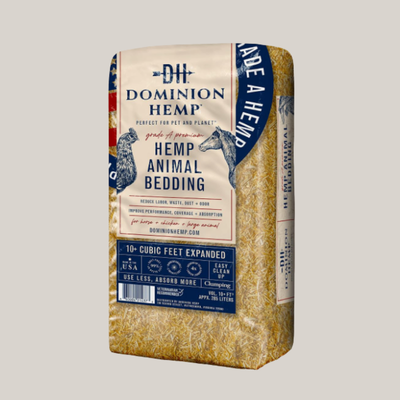
Absorbent, simple, easy to replace. This is your base layer—don’t overthink it. Controls moisture and odor. Easy scooping out and replacing quickly. Widely available.
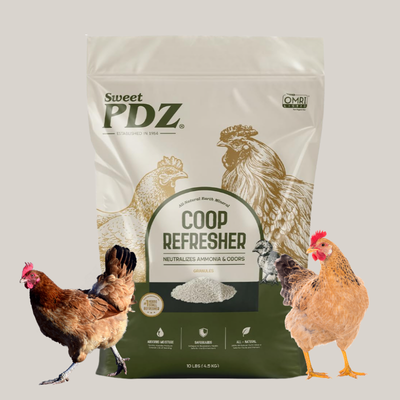
Controls odor, moisture, and bacteria using probiotics and minerals to reduce odor and wetness. Extends bedding life.
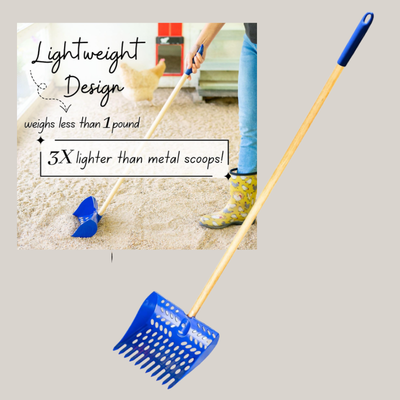
Simple tool, big difference. Makes cleanup fast without dragging out full equipment. Lightweight, easy to grab, easy to store.
Why Layers Matter
Stops smart animals: Raccoons open simple latches.
Blocks diggers: Foxes and dogs dig under walls.
Prevents break-ins: Predators chew through weak wire.
Keeps birds safe: Hawks attack from the sky during the day.
Layers of protection keep your chickens safe from smart and strong, persistent local predators like raccoons, foxes, and hawks. One strong wall is not enough because animals can dig, chew, or climb. Multiple layers of protection make the coop much harder to breach.
Protection Layer (Don’t Skip This)
In the Northeast Common chicken predators include those mentioned above but also Black bears, bobcats, weasels, mink, and opossums. Egg stealers include Rat Snakes, Black Racers, and Milk Snakes.
Suggested Layers of Protection
Under the coop:
Bury hardware cloth 12 inches deep in the dirt.
Lay an apron of wire flat on the ground around the outer base.
Pour a concrete floor to block all digging.
On the walls and windows:
Use thick steel hardware cloth instead of soft chicken wire.
Attach wire with heavy screws and washers, not just small staples.
On the doors and latches:
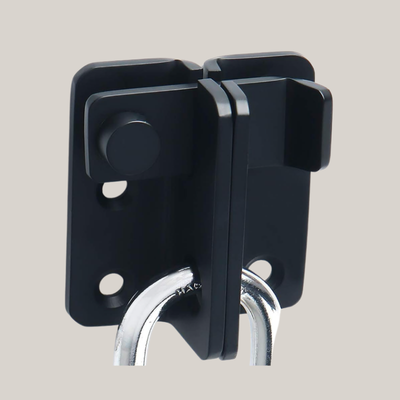
Use two-step spring locks or padlocks that raccoons cannot turn or lift.
Check hinges to make sure they cannot be pulled off.
In the run:
Cover the top with a roof or heavy netting to stop hawks and owls.
Clear tall brush nearby so predators cannot hide close by.
David’s Tip:
Reinforce the Perimeter For added security on permanent setups, dig 6–12” around the perimeter and install hardware cloth below ground level (an “apron”). This helps prevent animals from digging under the coop.
If digging isn’t practical, wrapping the base of the structure with hardware cloth also adds an effective layer of protection.
David’s Picks
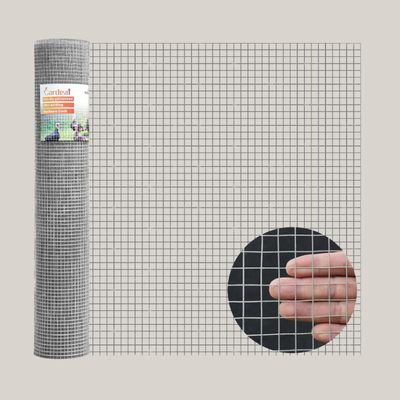
Stronger than chicken wire, hardware cloth helps keep predators from tearing or pushing their way into the coop or run. It can be used around both the structure and the run.
A simple gate latch secured with a twist-locking carabiner can add another layer of protection against curious or persistent predators.
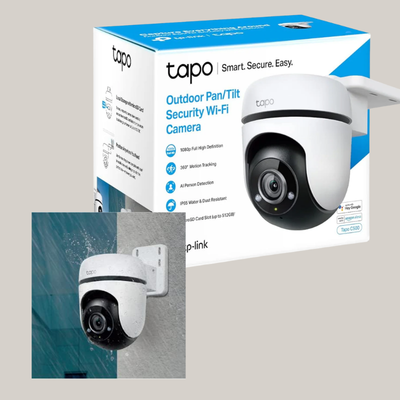
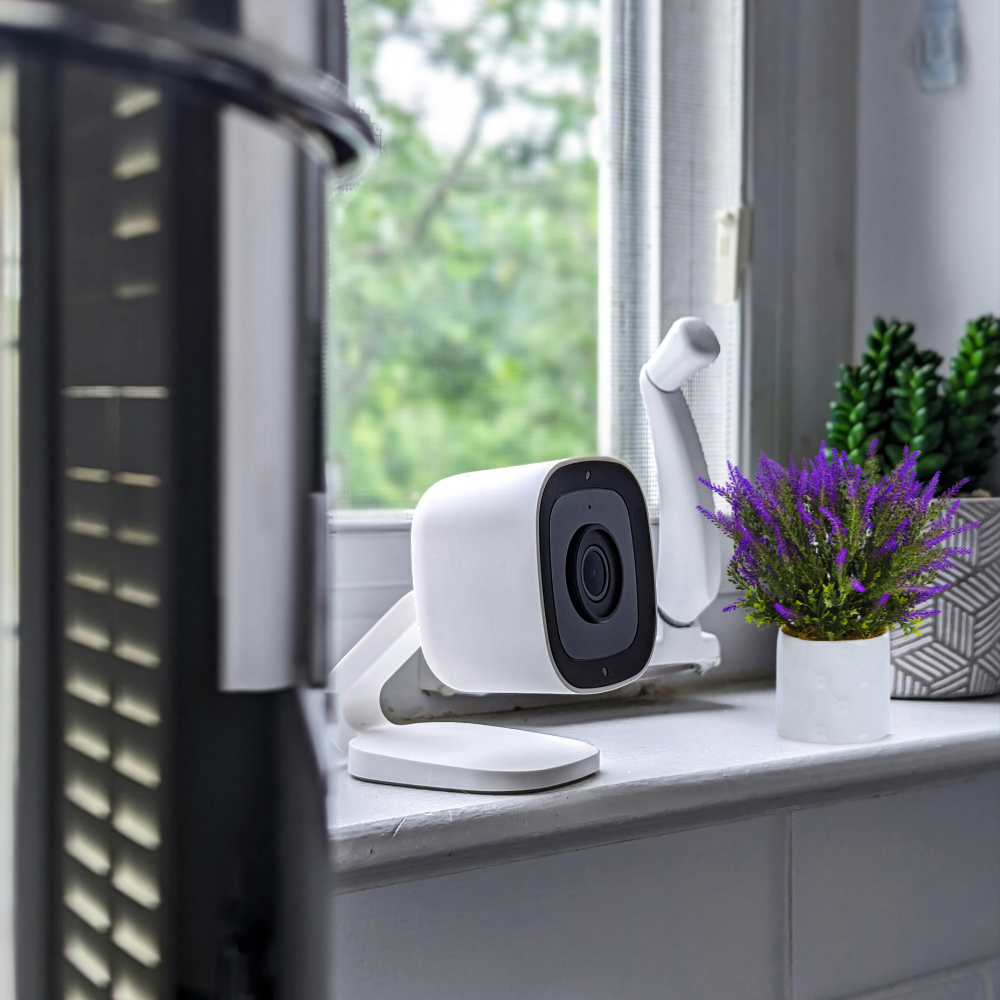
A camera isn't essential to keeping chickens, but it can be incredibly useful. Check on the flock without opening the coop, keep an eye on new birds, see what happens overnight, or take a quick look when you're away.
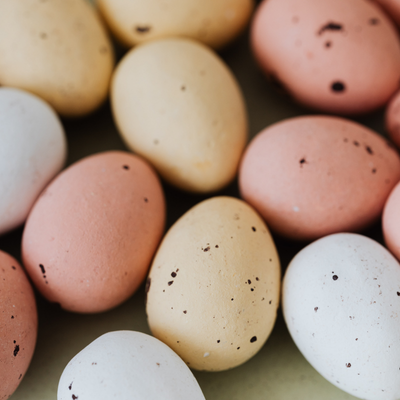
The best chicken setups aren't necessarily complicated—they're the ones that make the daily jobs easier. Automatic doors, larger-capacity feeders, easier watering systems, and simple monitoring can make a big difference when you're busy or away for a few days.
Make Chicken Care Easier
David’s Picks
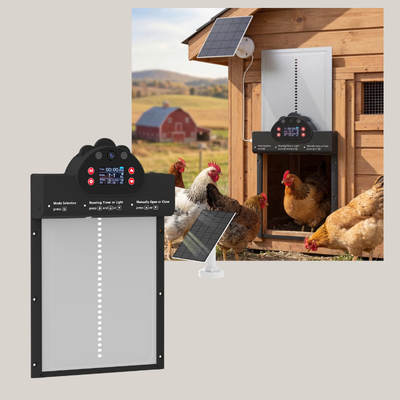
Control the door and keep your chickens safe. Solar powered. Camera. Built in microphone and remote alarm. Aluminum frame.
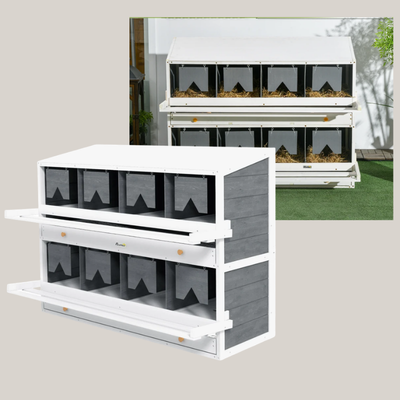
8 Compartment Wood Laying Boxes for Chicken Coop with Egg Collection Trays and Perches.
Chicken Comfort & Enrichment
Chickens are curious, active animals. Perches, swings, dust baths, and other simple enrichment can give them opportunities to climb, scratch, explore, and stay occupied. Enrichment doesn't have to be elaborate—natural perches, a dust-bathing area, logs, branches, and safe places to explore can provide plenty of stimulation.
David’s Picks
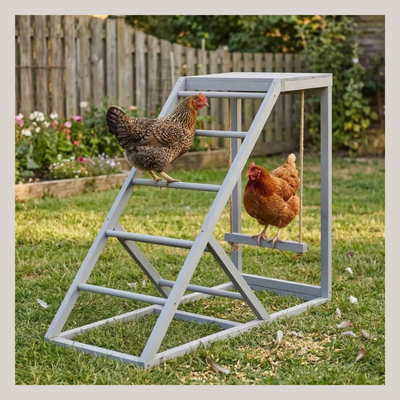
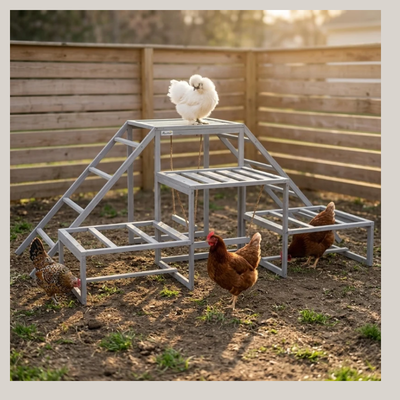
With a swing, several perches, and a platform at the top, two chickens can easily share this space and play together.
Fun and Engaging: Features two swings and activity platforms, and chicken coop toys provide endless entertainment for your chickens. Watch them play, exercise, and enjoy their surroundings, promoting their physical and mental well-being.
Chicken Nuggets….
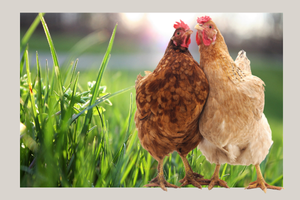
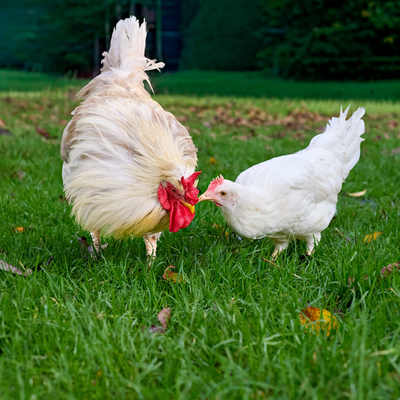
Chickens are surprisingly complex. Research suggests they can recognize individual flock members and use a surprisingly varied range of vocalizations.
You will develop a relationship with these little creatures. They will be happy to see you when you visit the coop and they will talk when you are there.
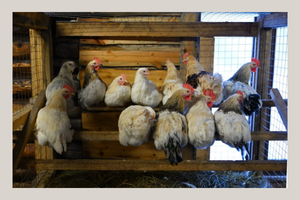
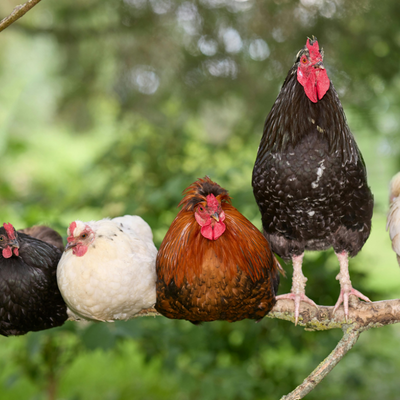
Chickens really do sleep on a roost. It is a strong, natural instinct inherited from their wild junglefowl ancestors, which perches high in trees at night to stay safe from predators. When they hop onto a bar, a special tendon in their leg automatically locks their toes in place so they do not fall off while sleeping.
They feel safe up high and off the ground.
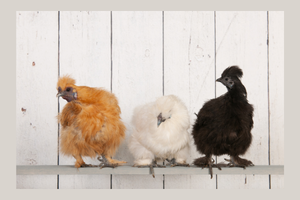
Pecking order is real. A pecking order is a social system where members of a group rank themselves from most important to least important. High-ranking members get the best food, space, and choices, while lower-ranking members get what is left.
Lower-ranking birds are sometimes pushed off the roost and sleep in nesting boxes or on the floor.
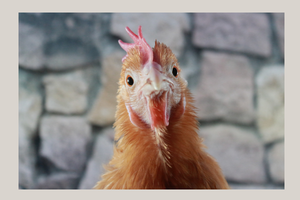
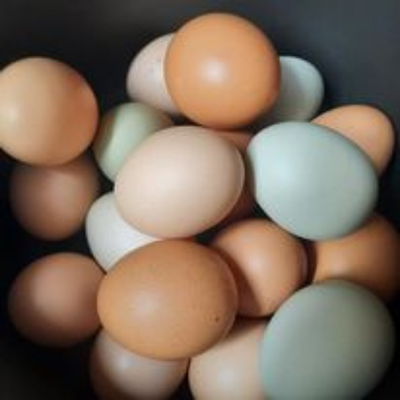
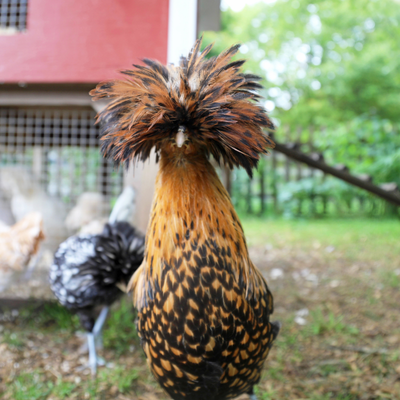
The American Poultry Association formally recognizes 53-60 breeds and suggests there are over 500 recognized chicken breeds worldwide. There are 6 primary categories of egg colors, the most common are brown and white. Other colors include Blue, Green , Pink/Cream, Specked and each is breed specific.
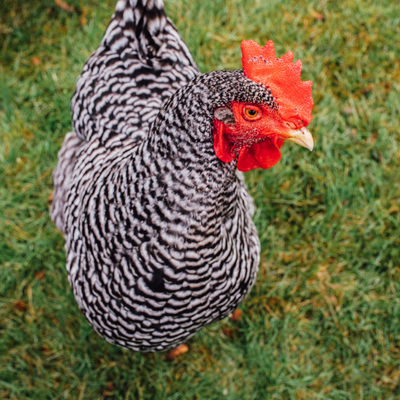
It is said the color of a hen’s earlobe often gives a hint to the color of the egg she lays. Usually red for brown eggs and white for white eggs.
CONTINUE EXPLORING DCN HOME LIFE


Protect What Matters Most: Explore Home Protection Resources

Outdoor Living